
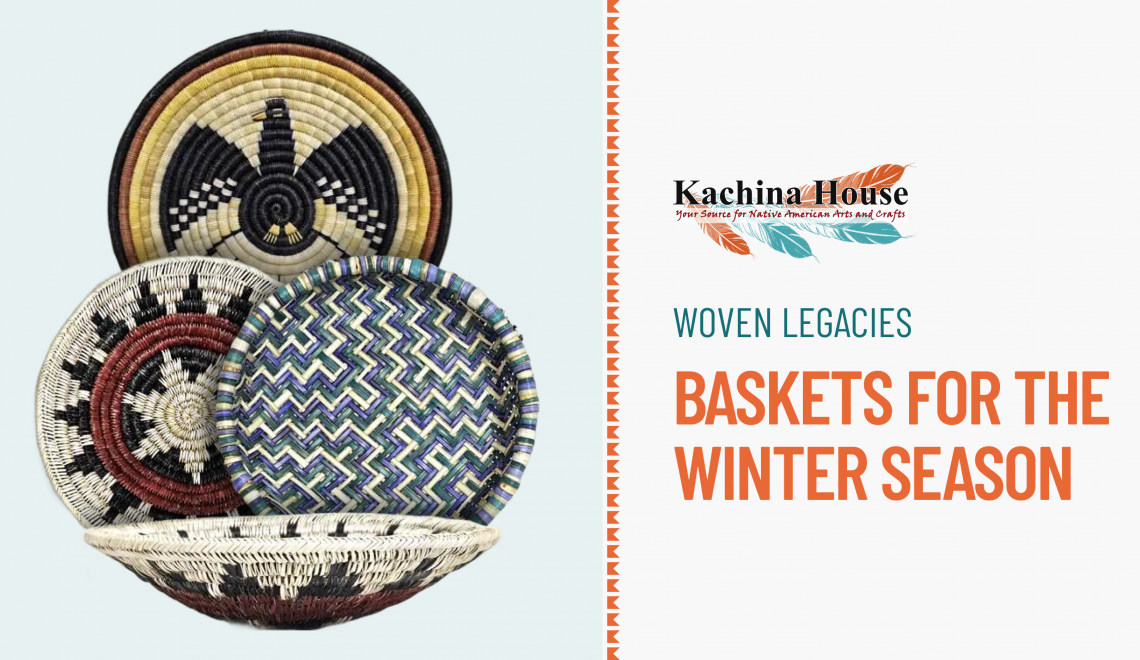
When cold weather settles in and days grow shorter, home life naturally moves inward. It is a time for stories, shared meals, and quiet reflection. For many Native communities, this is also a season when woven pieces take on even deeper meaning.
Navajo and Hopi baskets are part of that story. They carry prayers, clan histories, and teachings about balance and gratitude. In winter, their presence in the home can feel especially meaningful, as families gather near the fire or around the table.
This guide explores how Navajo and Hopi baskets are used, what they represent, and how to bring them into your winter season with respect.
Why Baskets Belong in the Winter Season
Basketry across the Southwest has always been practical and spiritual. Baskets held corn, beans and drying fruits and vegetables, until they were transferred into pottery for the long winters, helping families survive. They also appeared in ceremonies that honor the changing seasons and the need for harmony with the land.
Today, Navajo and Hopi baskets still carry that sense of continuity. In winter, they can:
- Hold seasonal items, such as pine cones, dried grasses for tea and weaving, and prayer bundles
- Serve as a visual reminder of stories and teachings shared by elders
- Create a focal point for reflection, gratitude, and new intentions
Displaying these baskets in your home during the colder months can be a quiet way to honor living Native traditions rather than treating them as decor.
Navajo Baskets: Harmony in the Circle
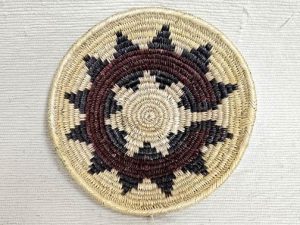
Among Navajo ceremonial baskets, the most well known is the wedding basket. These baskets are are tightly coiled and hold spiritual meaning. They are traditionally woven from sumac, with white, black, and red patterns circling a light center.
Many teachings describe the center as the place of emergence, where many Native Americans entered this world. The inner coils of the basket are white to represent birth. As you travel outward on the coils you begin to encounter more and more black. The black represents darkness, struggle and pain. As you make your way through the darkness you eventually reach the red bands, which represent marriage; the mixing of your blood with your spouse and the creation of family. The red is pure. During this time there is no darkness. Traveling outside familial bands you encounter more darkness; however, the darkness is interspersed with white light. The light represents increasing enlightenment, which expands until you enter the all-white banding of the outer rim. This banding represents the spirit world, where there is no darkness. The line from the center of the basket to the outer rim is to remind you that no matter how much darkness you encounter in your world, there is always a pathway to the light.
For winter, Navajo ceremonial baskets speak to:
- Balance during a quiet, inward season
- Protection and well being for the household
- The ongoing cycle of night and morning, hardship and renewal
Having a Navajo basket in the home is often seen as a blessing. In winter months, this blessing can feel especially welcome, as families seek warmth, health, and good fortune for the coming year.
Hopi Baskets: Gratitude, Ceremony, and Color
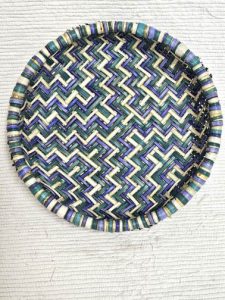
Hopi and Hopi Tewa weavers are known for their skill with coiled plaques, burden baskets, and sifters. Many of the most recognized pieces are round plaques, woven from sumac or rabbitbrush bundles, wrapped with yucca and other plant fibers. Hopi even celebrates a specific Basket Dance where the dancers celebrate the women and the intrinsic female energy that the baskets hold.
On Second Mesa, Hopi coiled plaques have long been part of social and ceremonial life. They are given as thank you gifts, used in girls’ initiation rites, and exchanged between families during wedding preparations. A beautifully woven plaque is a gesture of gratitude and respect.
Designs often include:
- Rain clouds, lightning and turtles, asking for moisture in a dry land
- Corn symbols, honoring nourishment and growth
- Katsina figures, reflecting spiritual helpers and seasonal ceremonies
Bringing Hopi baskets into your winter home can echo these themes. Their bright natural dyes, sun motifs, animals, and rain symbols bring warmth, movement, and a sense of continuity through the darker months.
Bringing Basket Traditions Into Your Winter Home
Navajo and Hopi baskets make meaningful additions to winter homes. Their connections to harvest, storage, and seasonal ceremonies align perfectly with community gatherings during cold months.
When displaying Navajo ceremonial baskets, orient the ceremonial break toward the east. This honors traditional practice and invites positive energy associated with sunrise and renewal.
For Hopi baskets, appreciate their role as gifts of gratitude. Owning one connects you to the Hopi value of acknowledging kindness and maintaining community harmony.
Although basketry has been around for centuries, it is widely agreed that it is one of the first Native American arts to die out in many tribes. This makes supporting contemporary weavers particularly important. Purchasing authentic Navajo and Hopi baskets helps preserve techniques passed through generations.
Honoring Woven Legacies This Winter
As the winter nights grow longer, Navajo and Hopi baskets invite us to think about continuity. Every coil holds hours of labor. Every pattern holds a teaching. Each basket carries a legacy that reaches from past generations into the present.
Ready to welcome the beauty and cultural significance of authentic basketry into your home this winter? Visit Kachina House to explore our carefully curated collection of Navajo and Hopi baskets. Each piece represents traditional techniques, natural materials, and the artistic vision of skilled Indigenous weavers.